Strategic Use of Call Logbook for Enhanced Decision-Making and Productivity
Understanding the Call Logbook and Its Strategic Value
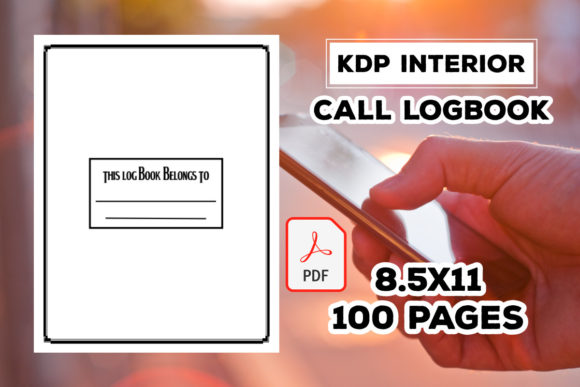
A Call Logbook is a comprehensive tool designed to help individuals and teams track, manage, and analyze their phone calls. This printable interior, ready for KDP upload, offers 100 pages of structured space, sized at 8.5×11 inches, with no watermarks. The Call Logbook is not just a simple record-keeping tool; it's a strategic asset that can significantly enhance your planning, communication, and decision-making processes.
Why Use a Call Logbook?
In today's fast-paced environment, effective communication and meticulous record-keeping are crucial. A Call Logbook helps you maintain a clear and organized overview of all your call-related activities. This can be particularly beneficial for professionals, entrepreneurs, and small business owners who need to manage multiple contacts and conversations efficiently.
Supporting Your Goals and Planning
One of the key benefits of using a Call Logbook is its ability to support your long-term goals and planning. By systematically recording and reviewing your calls, you can identify patterns, trends, and areas for improvement. For instance, if you notice that certain types of calls consistently lead to positive outcomes, you can focus more on those in your future communications.
Practical Examples and Planning Tips
- Customer Service: Use the Call Logbook to document customer interactions, including issues, resolutions, and feedback. This data can help you refine your service protocols and improve customer satisfaction.
- Sales Follow-Up: Track follow-up calls with potential clients, noting the date, time, and outcome. This can help you stay organized and increase your chances of closing deals.
- Project Management: Record calls related to project updates, client meetings, and team discussions. This ensures that all stakeholders are informed and aligned, reducing the risk of miscommunication.
When and How to Use the Call Logbook
The effectiveness of a Call Logbook depends on how and when you use it. Ideally, you should make entries immediately after each call while the details are fresh in your mind. This practice ensures accuracy and completeness. Additionally, set aside regular intervals, such as weekly or monthly, to review and analyze the logged information. This reflection can provide valuable insights and help you adjust your strategies accordingly.
Approaching the Call Logbook Thoughtfully
To get the most out of your Call Logbook, approach it with a clear purpose. Before you start logging calls, define what you want to achieve. Are you looking to improve customer service, streamline sales processes, or enhance project management? Once you have a specific goal, tailor your log entries to capture the relevant data. For example, if your focus is on customer service, include fields for customer feedback and resolution times.
Risks of Using a Call Logbook Without Clear Goals
While a Call Logbook can be a powerful tool, using it without clear goals or context can lead to inefficiencies. Randomly logging calls without a strategic approach can result in a cluttered and unhelpful record. This can waste time and resources, and may even lead to confusion and miscommunication. To avoid these pitfalls, ensure that every entry serves a specific purpose and contributes to your overall objectives.
Intentional Use for Long-Term Results
Using a Call Logbook intentionally involves integrating it into your broader strategic framework. Consider how the data you collect can inform your decision-making and contribute to your long-term success. For example, if you are a marketer, the insights from your call logs can help you refine your messaging and target your campaigns more effectively. If you are an educator, the log can help you track student progress and adjust your teaching methods.
Strategic Observations and Decision-Making Guidance
- Identify Key Metrics: Determine which metrics are most important for your goals. These could include call duration, call outcomes, and customer feedback.
- Analyze Trends: Regularly review your call logs to identify trends and patterns. This can help you spot opportunities and address challenges proactively.
- Adjust Strategies: Use the insights from your Call Logbook to make informed adjustments to your strategies. This iterative process can lead to continuous improvement and better results over time.
Conclusion: Leveraging the Call Logbook for Success
In summary, a Call Logbook is a versatile and valuable tool that can support a wide range of professional and personal goals. By using it thoughtfully and strategically, you can enhance your planning, communication, and decision-making. Whether you are an entrepreneur, a marketer, or a small business owner, the Call Logbook can help you achieve better outcomes and long-term success. Embrace this tool with a clear purpose and a commitment to continuous improvement, and watch your productivity and effectiveness soar.